




Industrial Thermoforming Machines & Plastic Vacuum Forming Solutions

Thermoforming Machine
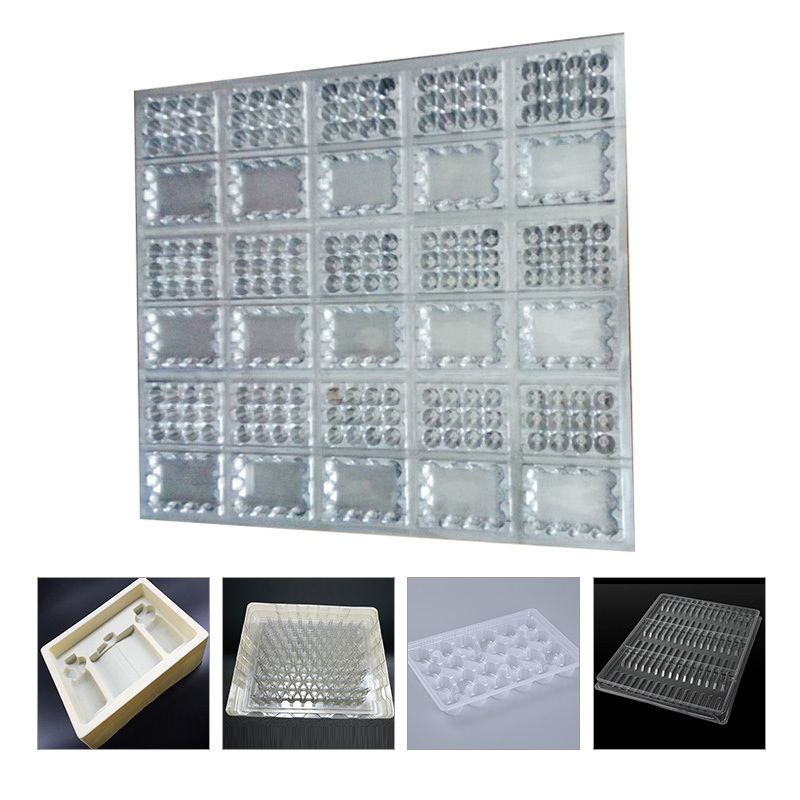
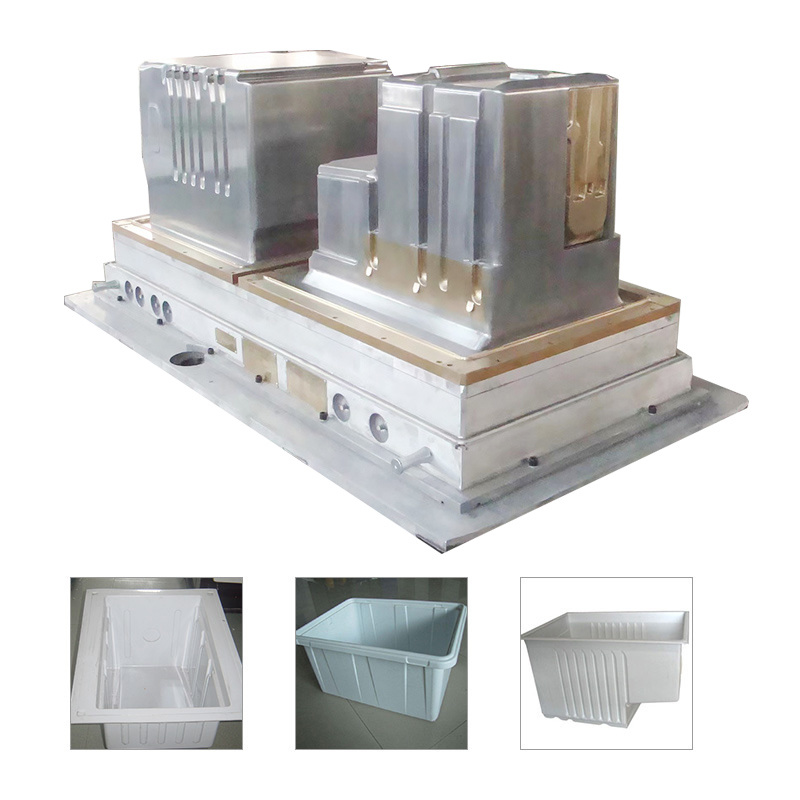
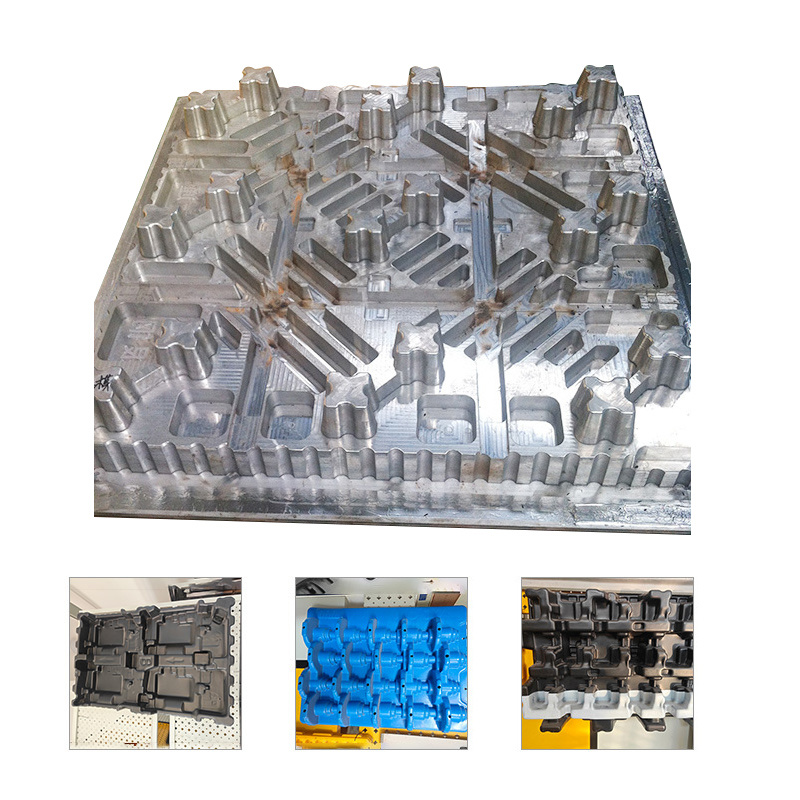
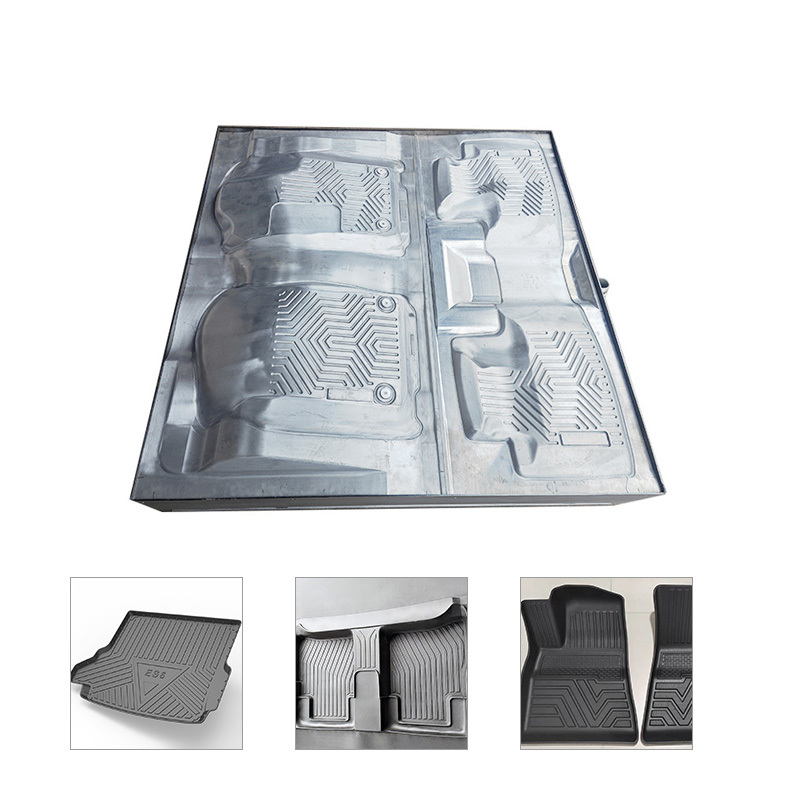
Depending on material thickness, part geometry, and production requirements, thermoforming equipment can support thin gauge thermoforming, heavy gauge thermoforming, and thick gauge thermoforming. Common forming methods include vacuum forming, pressure forming, and twin sheet forming, while specialized equipment can also integrate Laminating processes for composite or surface-finished parts.
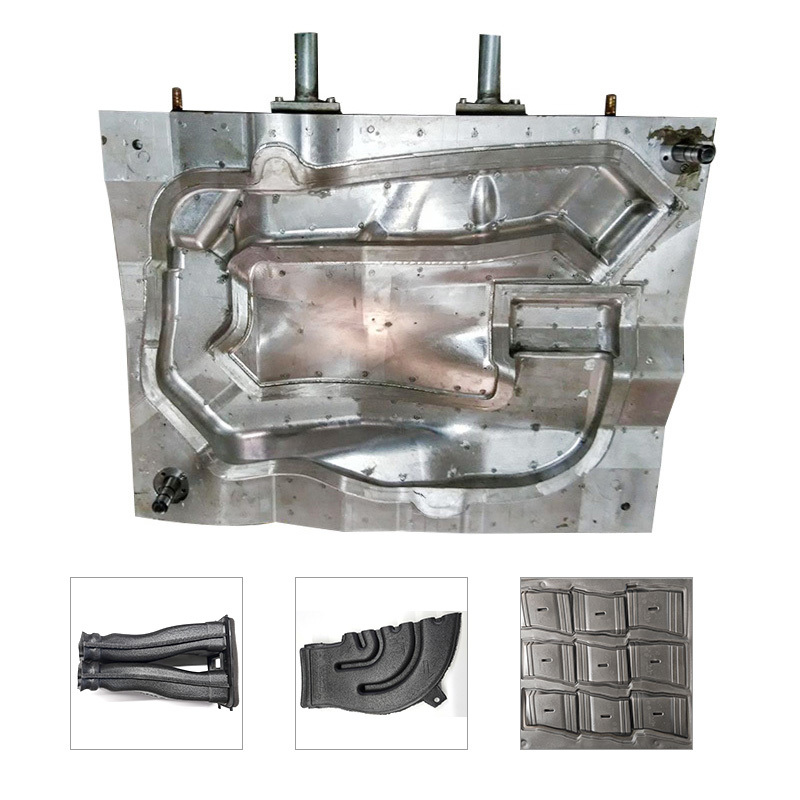
Compared with injection molding, thermoforming can provide lower tooling costs, shorter lead times, and good cost effectiveness for certain applications and product runs. It is particularly suitable for a wide variety of part sizes and designs where flexible tooling and efficient material forming are required. Depending on the application, a female mold or other forming tool can be used to produce the required shape.
Thermoforming machines are available for different production scales, from prototype development and short runs to high volume production. The equipment can process various plastic sheets and thermoplastic materials, with forming conditions adjusted according to material properties, sheet thickness, mold design, and the required forming process. While blow molded products and injection-molded components are produced through different manufacturing methods, thermoforming provides another practical route for producing formed plastic parts with controlled dimensions and repeatable production cycles.