Quote now
EN

Thermoforming is a manufacturing process used to produce plastic blisters by heating a thermoplastic sheet or plastic film until it becomes pliable, forming it into a mold, and cooling it into a defined shape. In blister packaging, the formed plastic creates individual cavities that hold products such as tablets, capsules, electronics, hardware, toys, and consumer goods. The cavities are then filled with products and sealed with a suitable lid material, such as aluminum foil, paperboard, or another plastic film. Depending on the application, the process may use heat sealing, pressure sealing, or other sealing methods to produce secure, tamper-evident packaging with suitable barrier properties and shelf life.
Thermoforming in plastic blister packaging is a process in which a heated thermoplastic sheet is shaped over or into a mold to create cavities that hold individual products. After forming, the plastic is cooled, trimmed, filled, and sealed with a compatible lidding material to create the finished blister package.
The process is widely used in pharmaceutical packaging, medical products, electronics, cosmetics, toys, and other consumer goods. Manufacturers select the plastic material, forming method, mold design, and sealing conditions according to the product's dimensions, protection requirements, production volume, and packaging regulations.
A blister packaging machine combines several operations into a coordinated production sequence. Depending on the equipment configuration, these operations may include plastic film feeding, heating, forming, product filling, lidding material feeding, sealing, perforation, cutting, and finished blister discharge.
Thermoforming is especially suitable for applications that require clearly defined cavities, consistent product positioning, attractive presentation, and efficient production. For products that need stronger protection against moisture, oxygen, or light, manufacturers may select specialized barrier films or use cold forming with aluminum-based materials.
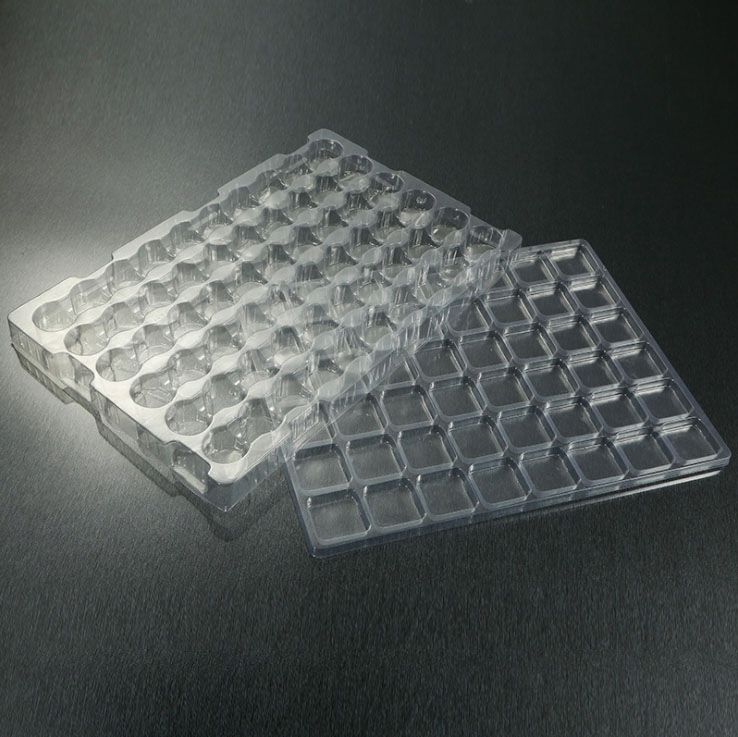
A thermoforming blister packaging machine converts flat packaging material into shaped cavities and then seals the products inside them. The exact process varies according to the machine design, packaging material, product type, and required output.
The process starts with a roll or sheet of thermoplastic packaging material. Common materials include PVC, PET, PETG, PP, and multilayer barrier films.
In roll-fed blister packing machines, the plastic film moves through the machine at a controlled speed. The feeding system maintains material alignment and positions the film for heating and forming.
The selected packaging material must have suitable thickness, flexibility, forming characteristics, and compatibility with the product. For pharmaceutical and medical applications, additional requirements may include material purity, regulatory compliance, and validated packaging performance.
The plastic film passes through a heating station, where controlled heat softens the material and makes it easier to shape.
Heating temperature and duration depend on the polymer, film thickness, machine speed, and mold geometry. Uneven heating may result in inconsistent cavity depth, thin areas, wrinkles, or poor dimensional accuracy.
A well-designed heating system distributes heat across the forming area to help maintain consistent plastic deformation and repeatable production.
Once the plastic becomes pliable, the forming station shapes it into cavities using a mold. Depending on the equipment, the forming method may use vacuum, compressed air, mechanical assistance, or a combination of these techniques.
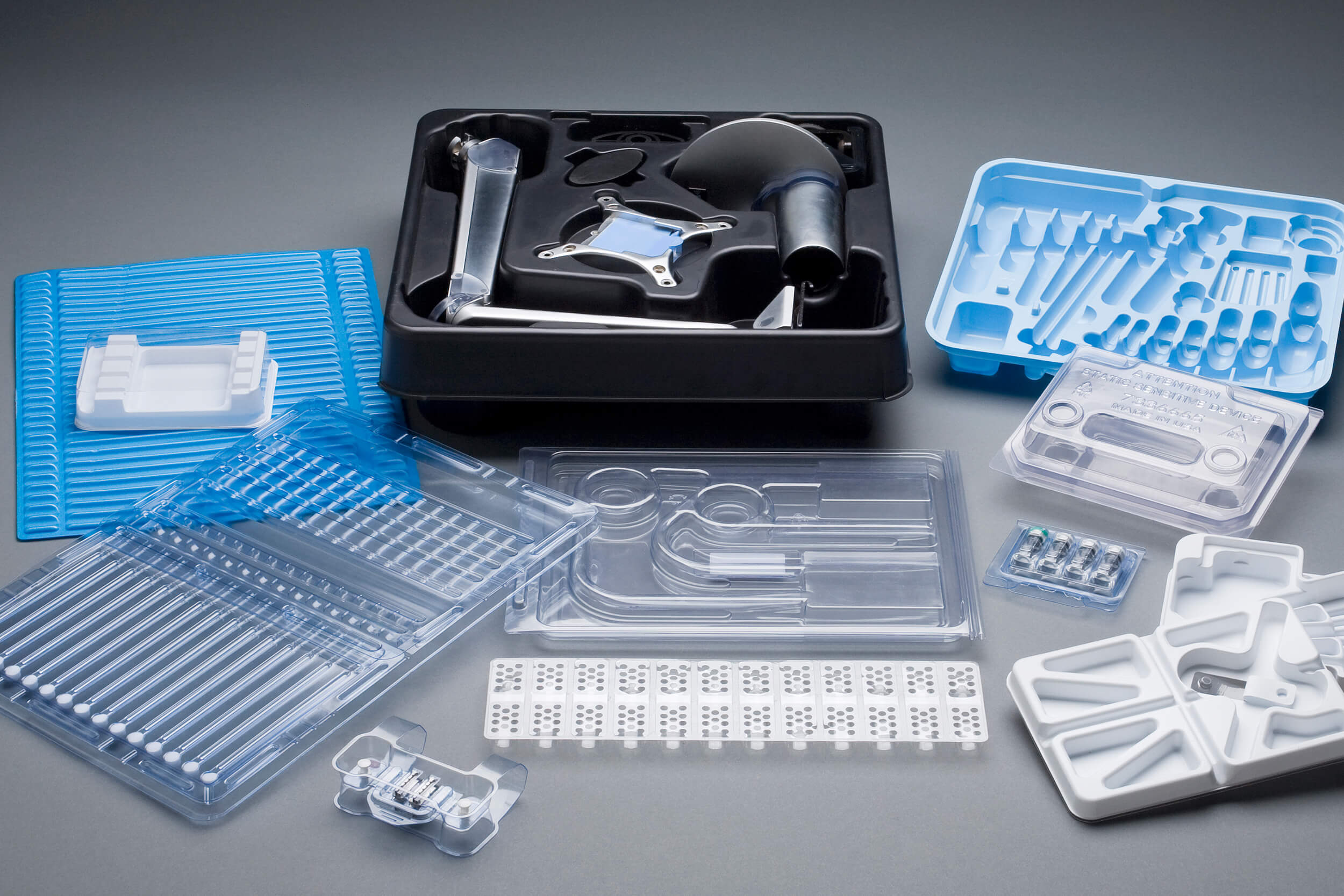
The mold determines the shape, dimensions, depth, and arrangement of the blister cavities. It can be customized to accommodate different products, including tablets, capsules, electronic components, small tools, and retail accessories.
The quality of the formed plastic depends on material properties, heating conditions, forming pressure, mold design, and cooling. Deep cavities and complex geometries may require careful process development to avoid excessive thinning or deformation.
After forming, the plastic is cooled sufficiently to retain its shape as it moves toward the filling station.
The formed plastic web moves to the filling station, where products are placed into the individual cavities.
Pharmaceutical blister packaging machines may use counting and feeding systems for tablets or capsules. Industrial and retail blister packaging equipment may use manual loading, robotic placement, vibratory feeders, or other automated handling systems.
Accurate filling helps prevent empty cavities, misplaced products, and packaging defects. For products that are sensitive to contamination, the filling area and handling process must also meet the applicable hygiene and quality requirements.
After filling, a lidding material is positioned over the formed plastic cavities. Common options include aluminum foil, paperboard, plastic film, and specialized multilayer laminates.
The appropriate lid material depends on the product, required barrier performance, sealing compatibility, opening method, and appearance.
Aluminum foil is widely used in pharmaceutical packaging because it provides strong protection against light and can provide an effective barrier to moisture and gases when incorporated into a suitable packaging structure. However, the performance of the finished package also depends on the foil coating, laminate construction, seal integrity, and the properties of the formed base material.
For retail consumer goods, paperboard-backed blisters and clear plastic packaging may be selected to improve product visibility and presentation.
The lidding material is sealed to the formed plastic using a compatible sealing process. Heat sealing is common, although other sealing technologies may be used depending on the packaging structure.
The sealing station applies controlled temperature, pressure, and dwell time to create a continuous seal around the cavities. Poor sealing conditions may cause weak seals, wrinkles, leakage, or damage to the packaging material.
The finished blister must provide the required level of product containment and protection. Pharmaceutical packaging may also require validated seal integrity, controlled opening characteristics, and evidence of tampering.
After sealing, the continuous packaging web is cut into individual packs or specified blister card formats. Cutting tools separate the packages while maintaining the required dimensions and seal boundaries.
Depending on the machine, additional operations may include perforation, embossing, coding, inspection, rejection of defective packs, and automatic counting.
The finished blister packaging is then transferred for secondary packaging, such as cartoning, case packing, or further inspection.
Thermoforming and cold forming are two different approaches to producing blister cavities. They use different material structures and forming mechanisms, so they are suited to different protection requirements.
Thermoforming shapes a heated thermoplastic sheet using a mold. It is commonly used for transparent plastic blisters because it can produce well-defined cavities while allowing consumers to see the packaged product.
Typical materials include PVC, PET, PETG, PP, and selected multilayer films. Thermoforming is often chosen for retail display packaging, pharmaceutical blister packs with transparent cavities, medical accessories, electronics, and small consumer products.
Its advantages include good product visibility, flexible cavity design, compatibility with automated production, and a wide range of available plastic materials.
The main considerations are the material's forming limits, cavity geometry, thickness distribution, and ability to provide the barrier performance required by the product.
Cold forming shapes a suitable multilayer material mechanically without first heating it to the softening temperature used in conventional plastic thermoforming. In pharmaceutical packaging, the term commonly refers to aluminum-based cold-formable laminates.
The material is pressed into a mold to create cavities, often providing a stronger barrier against moisture, oxygen, and light than conventional transparent plastic structures.
Cold-forming materials are often selected for moisture-sensitive or light-sensitive pharmaceutical products that require extended protection. However, the resulting packs are generally opaque, and the process may require more forming space and specialized tooling.
| Comparison factor | Thermoforming | Cold forming |
|---|---|---|
| Forming method | Heats and shapes thermoplastic material | Mechanically shapes a cold-formable laminate |
| Typical material | PVC, PET, PETG, PP, barrier films | Aluminum-based multilayer laminates |
| Product visibility | Usually transparent when clear film is used | Generally opaque |
| Barrier properties | Depend on polymer, thickness, and film structure | Typically very high with suitable aluminum-based laminates |
| Cavity design | Flexible, including transparent retail formats | Requires material-specific cavity and tooling design |
| Common applications | Consumer goods, retail blisters, many pharmaceutical products | Pharmaceuticals requiring high moisture, oxygen, or light protection |
| Main selection factor | Visibility, formability, cost, and required protection | Barrier requirements and product stability |
The choice between thermoforming and cold forming should be based on the product's sensitivity, required shelf life, packaging format, production capacity, and total packaging cost rather than on the forming method alone.
Packaging material selection affects forming quality, sealing performance, product visibility, mechanical protection, and shelf life. Each polymer or laminate has different characteristics, so the best option depends on the intended application.
PVC is widely used for conventional blister packaging because it is relatively easy to form, offers good clarity, and works with many established blister packaging systems.
It is commonly used for retail products and certain pharmaceutical applications. Its moisture and gas barrier properties are limited compared with specialized high-barrier structures, so additional layers or alternative materials may be needed for sensitive products.
PET offers good transparency, stiffness, and impact performance for many packaging applications. It is used in retail blister packaging and other formed plastic components where product visibility and structural stability are required.
PET is also available in different grades and multilayer structures. Material selection should account for forming temperature, cavity depth, thickness, and compatibility with the intended sealing layer.
PETG is valued for its clarity and forming characteristics. It can be suitable for packaging that requires attractive presentation and shaped cavities.
The exact forming behavior and resistance properties depend on the grade and package design. Process settings should be developed for the selected material rather than transferred directly from another polymer.
PP may be used when its chemical resistance, temperature characteristics, or other material properties fit the application. It can be more demanding to form under certain conditions than some conventional blister plastics, so the heating system and tooling must be suitable for the selected grade.
Multilayer packaging materials combine different polymers or barrier layers to achieve a balance of formability, sealing performance, mechanical strength, and protection.
Depending on the structure, these materials may improve resistance to moisture, oxygen, or other environmental factors. They are useful when a single-layer plastic film cannot meet the product's storage and shelf-life requirements.
Aluminum foil is commonly used as the lid material for pharmaceutical blister packaging. It can be combined with sealable coatings or polymer layers that bond to the formed plastic.
The sealing surface must match the base material. For example, a foil laminate designed for a particular plastic should not be assumed to seal reliably to a different polymer without compatibility testing.
For some retail applications, paperboard or plastic lidding materials may be more appropriate because they support printing, product presentation, or a particular opening experience.
Selecting blister packaging equipment involves more than comparing machine speed. Manufacturers need to consider the product, packaging materials, cavity dimensions, sealing requirements, production targets, and future product changes.
The machine must accommodate the product's length, width, height, shape, and loading orientation. Irregularly shaped items may require custom molds, dedicated feeding systems, or additional positioning equipment.
The cavity must hold the product securely without excessive movement, deformation, or damage during transport.
The forming station must support the chosen plastic film, while the sealing station must work with the selected lid material and its sealing layer.
Material compatibility should be confirmed through forming trials, seal-strength testing, and inspection of finished packages. When a new material structure is introduced, process settings may need to be adjusted.
The required output influences the machine configuration, number of cavities per cycle, forming area, feeding method, and downstream handling system.
Automatic blister packing machines may integrate product feeding, filling, sealing, cutting, and inspection. However, the quoted production speed should be evaluated alongside actual product-loading requirements, changeover time, rejected packs, and the availability of downstream equipment.
Interchangeable molds can help manufacturers package different product sizes on the same machine. Before selecting equipment, confirm the available forming area, maximum cavity depth, mold dimensions, heating capacity, and changeover procedure.
The machine supplier should also clarify whether different products require changes to feeding components, sealing tools, cutting dies, or other format parts in addition to the mold.
The equipment should deliver repeatable cavity dimensions, consistent sealing, clean cuts, and reliable product placement.
For pharmaceutical and medical applications, the system may also need validated process parameters, traceability, inspection functions, and documentation aligned with applicable regulatory requirements.
Thermoforming offers several practical advantages for manufacturers producing packaged goods in different sizes and formats.
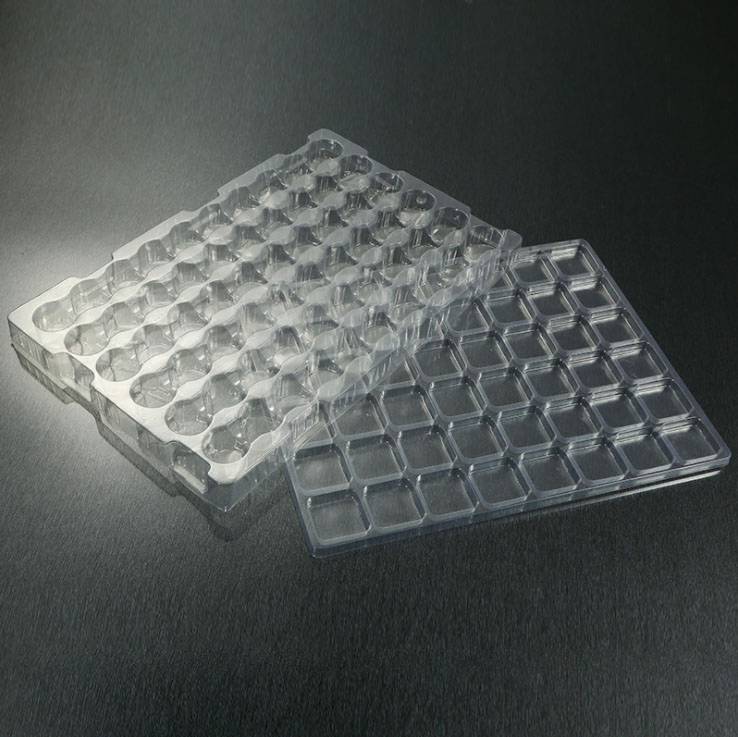
Molds can be designed around the shape and dimensions of a product. This helps create individual cavities that keep items separated, improve positioning, and reduce unwanted movement.
The actual level of protection depends on the plastic structure, cavity design, sealing system, and handling conditions.
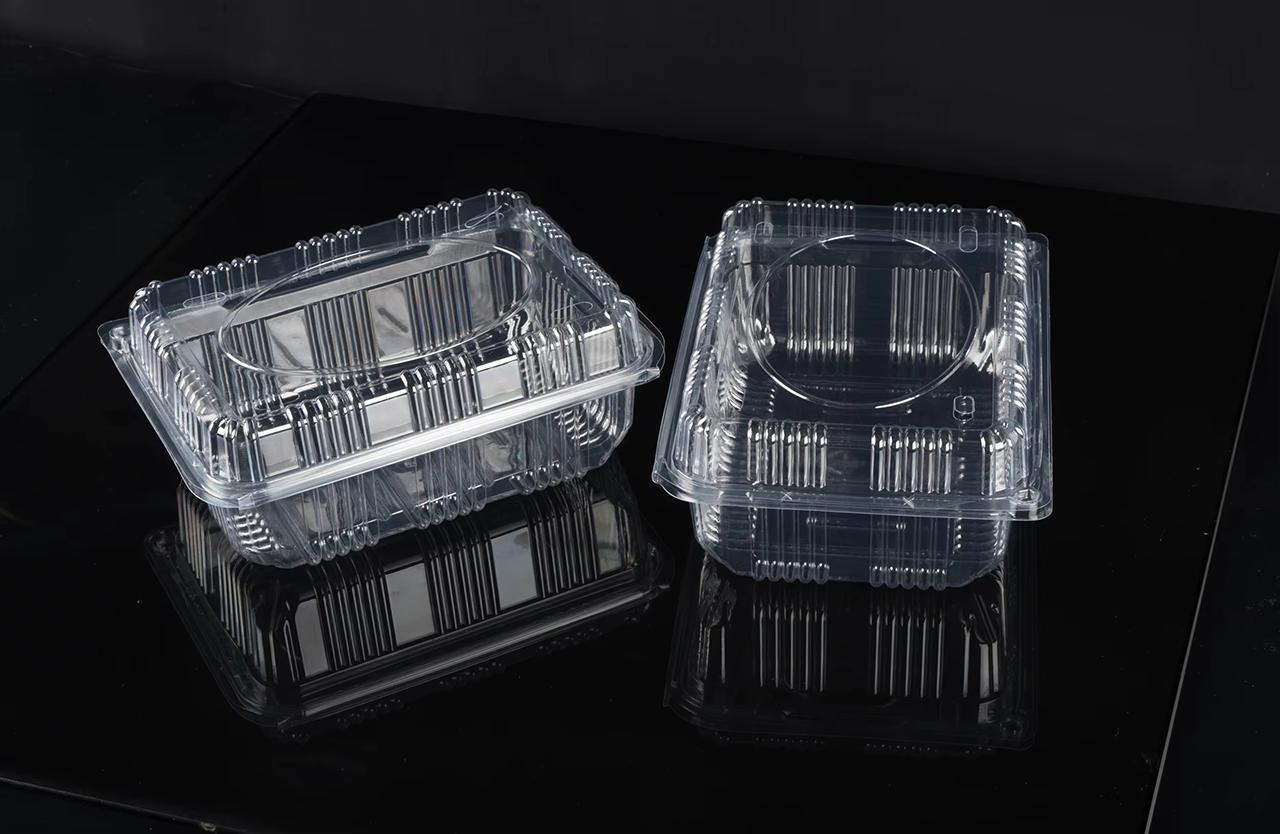
Transparent formed plastic allows consumers and quality inspectors to view the product without opening the package. This is useful for retail packaging, small electronics, tools, toys, and selected pharmaceutical products.
A blister packaging machine can combine forming, filling, sealing, and cutting into a continuous process. Automation helps maintain consistent packaging dimensions and reduces repetitive manual handling.
Production efficiency still depends on the product-feeding system, machine setup, changeover frequency, material utilization, and inspection requirements.
Blister packs can be designed to show visible evidence of opening or interference. For example, sealed foil lidding may need to be punctured or peeled to access the product, while some retail blister formats are designed to be difficult to open without visible damage.
Tamper evidence depends on the complete packaging design, not simply on the use of a thermoforming machine. The closure and opening features should be selected according to the intended product and applicable requirements.
Thermoforming supports a range of cavity shapes, pack sizes, and lidding structures. Manufacturers can adapt the mold and cutting layout to create different configurations, subject to the equipment's operating limits.
This flexibility makes the process suitable for both standardized products and customized packaging formats.
The shelf life of a packaged product depends on its sensitivity to moisture, oxygen, light, temperature, and other environmental factors. The packaging material and sealing quality determine how effectively these influences are controlled.
A conventional transparent plastic film may provide adequate protection for products that are not highly sensitive to environmental exposure. However, moisture-sensitive medicines, certain medical products, and other demanding applications may require specialized barrier films or aluminum-based packaging structures.
The following factors should be considered when designing a blister package.
Moisture protection: The water vapor transmission rate of the packaging structure affects how much moisture can pass through the material over time. Material thickness, polymer type, multilayer construction, and seal integrity all influence performance.
Oxygen protection: Products that are sensitive to oxidation may require materials with low oxygen transmission rates. Aluminum-based laminates and selected high-barrier films can provide better protection than standard plastic films.
Light protection: Transparent plastic allows visual inspection but may offer limited protection against light. Opaque aluminum foil or specialized light-blocking materials may be preferable for light-sensitive products.
Seal integrity: Even a high-barrier material cannot provide its expected protection if the sealing area contains channels, wrinkles, contamination, or other defects. Seal testing and suitable process controls help identify these problems.
Storage conditions: Temperature, humidity, transport conditions, and product characteristics also affect shelf life. Packaging performance should be assessed under conditions representative of the product's intended distribution and storage environment.
Manufacturers should establish shelf-life claims through appropriate product stability studies and packaging performance testing. The use of a particular blister material alone does not guarantee a specified shelf life.
Thermoformed plastic blisters are used across several industries because the process can accommodate different product shapes and packaging requirements.
Thermoformed blister packs are used for tablets, capsules, medical accessories, and selected healthcare products. Transparent plastic cavities can be paired with aluminum foil or other suitable lid materials.
For pharmaceutical unit dose packaging, each cavity holds a defined dose or individual item. The finished package can support dose separation, product identification, and protection during storage and distribution.
Material choice depends on moisture sensitivity, light sensitivity, regulatory requirements, and the required shelf life. Some products may need cold-formed aluminum-based packaging instead of conventional thermoformed plastic.
Small electronic components, connectors, accessories, batteries where appropriate packaging requirements are met, and other retail electronics may be packaged in formed plastic cavities.
The cavity design helps position the product and reduce movement. Static-sensitive products may require specially designed materials or additional protective packaging.
Fasteners, fittings, small tools, replacement parts, and similar products can be placed in formed cavities to support counting, identification, and retail display.
The mold can be designed around the component dimensions, while the lidding material is selected to suit the required strength, visibility, and opening method.
Thermoformed blisters are frequently used to display toys, stationery, personal accessories, and small household products. Clear plastic supports product visibility, while a printed card or other backing material provides branding and product information.
The packaging design should balance visual appeal, handling durability, product security, and ease of opening.
Consistent packaging quality requires coordination between material selection, forming conditions, filling accuracy, and sealing performance.
First, establish the correct heating profile for the selected plastic film. Uneven heating can lead to inconsistent cavity depth, thin spots, or material distortion.
Second, optimize mold geometry and forming conditions. Vacuum levels, compressed-air pressure, forming time, and cooling conditions should be appropriate for the film and cavity design.
Third, maintain accurate product feeding. Incorrectly positioned products may interfere with sealing, damage the package, or create quality-control issues.
Fourth, verify the compatibility of the lid material and formed plastic. Seal temperature, pressure, and dwell time should be established through testing rather than relying on general settings.
Fifth, inspect finished packages for incomplete forming, weak seals, wrinkles, contamination, dimensional variation, and cutting defects. Depending on the application, manufacturers may use vision inspection, leak testing, seal-strength testing, or other quality-control methods.
Finally, maintain the heating elements, molds, feeding components, sealing plates, and cutting tools according to the equipment manufacturer's recommendations. Regular maintenance helps reduce unplanned downtime and supports repeatable production.
Thermoforming is a process that heats a thermoplastic sheet until it becomes pliable, forms it into cavities using a mold, and cools it into shape. The cavities are filled with products and sealed with a suitable lidding material to create finished blister packs.
A blister packaging machine typically feeds plastic film, heats and forms the cavities, fills them with products, applies the lid material, seals the package, and cuts it into individual packs. Additional functions may include coding, perforation, inspection, and automatic rejection of defective products.
Common materials include PVC, PET, PETG, PP, multilayer barrier films, aluminum foil laminates, and paperboard. The selection depends on product visibility, forming requirements, sealing compatibility, barrier performance, cost, and regulatory considerations.
Thermoforming uses heat to soften plastic before shaping it into cavities. Cold forming mechanically shapes a cold-formable laminate, commonly an aluminum-based multilayer structure in pharmaceutical packaging. Thermoforming is often chosen for transparent packaging, while cold forming is frequently used when very high moisture, oxygen, and light protection is required.
Aluminum foil provides a strong barrier against light, moisture, and gases when used in a suitable packaging structure. It is commonly used as a lidding material for pharmaceutical blister packs. The actual protection depends on the laminate construction, foil integrity, sealing system, and finished-package quality.
Yes, depending on the plastic film, multilayer structure, and lidding material. Standard PVC or PET films may be suitable for many consumer products, while sensitive products may require specialized high-barrier films or aluminum-based structures. The complete package should be evaluated against the required moisture and oxygen transmission limits.
Unit dose packaging separates a product into individual doses or single-use portions. Pharmaceutical blister packs commonly use this format, with each tablet or capsule held in its own cavity. The design helps separate doses and can support product identification and protection during storage and handling.
Blister packaging can be designed to provide tamper evidence through sealed foil, breakable seals, or packaging structures that show visible damage when opened. Whether a package meets a specific tamper-evidence requirement depends on its design, materials, testing, and intended use.
Blister packaging can reduce exposure to moisture, oxygen, light, and physical contamination when the material structure and seal are appropriate for the product. Shelf life must be established through product stability testing under relevant storage conditions.
Blister packaging uses a formed plastic cavity that is usually sealed with a separate lidding material. Skin packaging generally uses a heated plastic film that conforms closely around the product and bonds to a backing surface. The two methods differ in tooling, material use, product presentation, and application requirements.
Some blister packing machines support multiple product sizes through interchangeable molds and format parts. The available range depends on the machine's forming area, maximum cavity depth, feeding system, sealing station, and cutting configuration. Manufacturers should confirm which components need to be changed for each product.
Key considerations include product dimensions, required output, packaging material compatibility, cavity design, forming method, sealing performance, mold changeover, automation level, quality inspection, maintenance requirements, and available technical support. For regulated products, documentation and process validation may also be necessary.
Common methods include visual inspection, seal-strength testing, leak testing, and other integrity tests selected for the packaging design. Pharmaceutical and medical applications may require validated testing procedures and acceptance criteria appropriate to the product and packaging system.
Yes. Thermoforming is widely used for pharmaceutical blister packaging when the selected materials and package design meet the product's protection and regulatory requirements. Products that are highly sensitive to moisture or oxygen may require specialized barrier films or cold-forming technology.
Production speed depends on the number of cavities per cycle, machine cycle rate, forming and sealing time, product-feeding performance, material properties, and downstream handling. Actual output should be evaluated using the intended product and packaging format rather than relying solely on the machine's maximum rated speed.
Thermoforming is a widely used method for producing plastic blister packaging because it combines customizable cavity design, product visibility, and compatibility with automated forming and sealing operations. By heating and shaping plastic film, manufacturers can create packages for pharmaceuticals, medical products, electronics, hardware, and a broad range of consumer goods.
Successful blister packaging depends on selecting suitable packaging material, designing the right mold, maintaining consistent forming conditions, and matching the lid material to the sealing system. Aluminum foil and specialized barrier films can provide additional protection when product stability requires it, while cold forming offers an alternative for applications that need very high barrier performance.
When choosing a blister packaging machine, manufacturers should evaluate the complete process, including forming, filling, sealing, cutting, quality inspection, and changeover requirements. A machine and material combination that matches the product's actual needs can support reliable production, consistent package quality, and the required shelf-life performance.