Quote now
EN

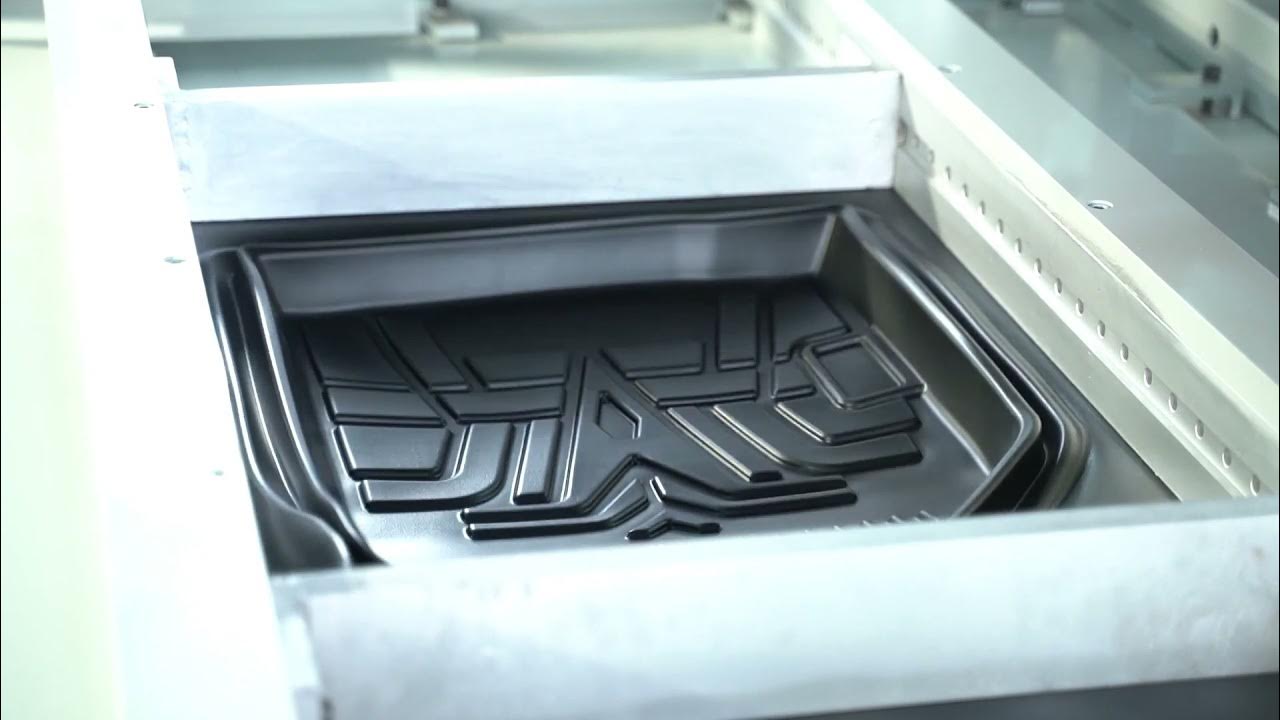
Thermoforming molds are tools used to shape heated plastic sheets into finished or semi-finished components. During the thermoforming process, a plastic sheet is heated until it becomes pliable, positioned over or against a mold, and formed using vacuum, air pressure, mechanical assistance, or a combination of these methods. After cooling, the thermoformed part is removed and may undergo trimming or other finishing operations.
A thermoforming mold manufacturer designs and produces tooling according to product geometry, plastic material, required surface finish, production volume, dimensional tolerances, and equipment specifications. Suitable tooling helps manufacturers achieve consistent part quality, manage wall thickness, control production costs, and maintain predictable manufacturing lead times.
Junjingsai provides thermoforming machinery and manufacturing solutions. Mold and tooling requirements can be evaluated according to the intended application, forming process, and production objectives.
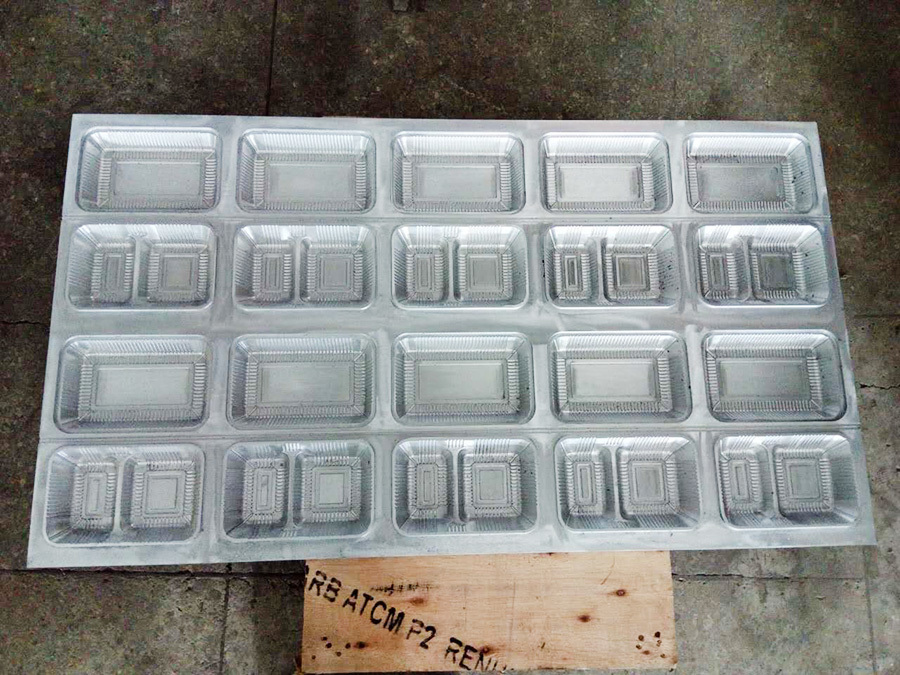
Thermoforming molds influence how plastic sheets stretch, how accurately product details are reproduced, and how consistently parts can be manufactured. Mold design should therefore be considered alongside the forming machine, heating method, plastic material, cooling process, and downstream trimming requirements.
Thermoforming tooling can be developed for new products, replacement molds, prototype evaluation, and production applications. The design process typically considers:
Reviewing these factors before manufacturing begins helps align the tooling with the intended production process and reduces the likelihood of expensive design changes later.
Vacuum forming uses negative pressure to draw a heated plastic sheet against a mold surface. Air is evacuated through vents, allowing the softened material to follow the mold's contours.
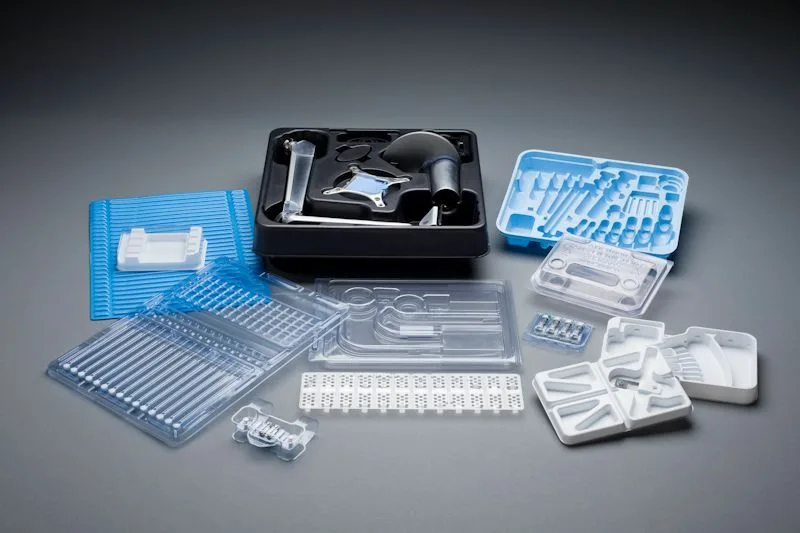
Vacuum forming molds are commonly considered for packaging trays, protective covers, equipment housings, display components, and other formed plastic products. Their design depends on part depth, surface details, material thickness, vent placement, and dimensional requirements.
A suitable mold design helps the plastic sheet conform to the intended geometry while reducing issues such as incomplete forming, trapped air, and uneven material distribution.
Pressure forming applies compressed air to help force a heated plastic sheet against the mold. Compared with vacuum forming alone, the additional pressure can reproduce finer surface details and more defined textures on suitable parts.
Pressure forming molds may be used for consumer goods, appliance housings, equipment covers, and other products that require a refined appearance. Tooling design must account for pressure distribution, venting, mold strength, material flow, and the geometry of the finished part.
The choice between pressure forming and vacuum forming depends on the product's appearance, dimensional requirements, plastic material, production volume, and tooling budget.
Custom thermoforming molds are designed for specific components or product families. They are suitable when standard tooling cannot meet the required shape, dimensions, surface texture, or production requirements.
Custom tooling projects generally begin with a review of 2D drawings, 3D models, physical samples, material specifications, and the intended manufacturing process. These details help establish the mold layout, forming method, material selection, and compatibility with the thermoforming machine.
Custom molds can also be developed for products that require special trimming arrangements, automation interfaces, or particular cosmetic finishes.
Prototype molds support early product development and design validation. They allow manufacturers to assess geometry, forming behavior, fit, and appearance before investing in production tooling.
Production molds are designed with repeatability, operating conditions, maintenance, and expected manufacturing volume in mind. Depending on the application, prototype tooling and production tooling may use different materials and construction methods.
3D printing can support selected prototype development stages, such as geometry checks and design reviews. However, a 3D-printed model is not automatically suitable for direct thermoforming. Its heat resistance, rigidity, surface quality, venting, and ability to withstand repeated forming cycles must be evaluated.
Selecting a mold material involves balancing machining requirements, heat transfer, surface quality, tooling costs, and expected production volume. The most suitable option depends on the part design and the conditions in which the mold will operate.
Aluminum tools are widely considered for production thermoforming because they can be machined accurately and transfer heat efficiently. With suitable cooling channels and venting, aluminum molds can support repeatable forming conditions across production runs.
They are often suitable for applications that require consistent dimensions, controlled cooling, detailed mold surfaces, and a good surface finish. The final specification should reflect the plastic material, mold geometry, production cycle, and maintenance requirements.
Composite and resin-based tooling may be suitable for prototypes, design validation, and selected low-volume applications. Depending on the material and construction, these molds can reduce initial tooling expenditure and allow design changes before production tooling is commissioned.
Their temperature resistance, rigidity, wear behavior, and dimensional stability should be evaluated against the intended forming conditions. They may be less suitable for applications that demand extended service life or sustained high-volume production.
3D printing provides another option for producing prototype tools and certain short-run molds. It can help manufacturers evaluate product geometry before investing in machined tooling, especially when a design is still undergoing revisions.
The printed material must withstand the forming temperature and applied forces. Designers should also consider vacuum passages, surface preparation, cooling, demolding, and the required number of forming cycles.
For sustained production, machined aluminum or another suitable production-grade mold material may offer better durability and thermal performance. The appropriate choice depends on the application rather than the manufacturing method alone.
The geometry of a thermoformed part determines how the heated plastic sheet stretches across the mold. Deep draws, sharp corners, narrow features, and complex contours can increase the risk of material thinning, incomplete forming, or difficult part removal.
Tooling design should account for draft angles, corner radii, vent locations, and the relationship between the mold and the final trimming process. The mold surface should also reflect the appearance required for the finished product. Scratches, machining marks, and other surface imperfections can transfer to the plastic.
For visible components, the required surface finish should be defined before tooling begins. Depending on the product, this may involve polishing, a specified texture, or a controlled surface treatment.
During thermoforming, the heated plastic sheet stretches to cover the mold geometry. The final wall thickness is therefore not necessarily uniform, particularly around deep draws, corners, and areas with significant changes in shape.
Designers should review material distribution before finalizing the mold. Larger radii, suitable draft angles, optimized forming temperatures, and plug assistance where appropriate can help manage thinning. The best approach depends on the plastic material, sheet thickness, part depth, and forming method.
Where a component has minimum wall-thickness requirements, the specification should identify the areas that need particular attention. The original sheet thickness alone does not establish the thickness of every area in the finished part.
For vacuum forming, air must escape from between the heated sheet and the mold so that the material can follow the intended contours. Vent locations and dimensions should support effective air evacuation without leaving unwanted marks on the finished component.
Pressure forming also requires appropriate venting, even though compressed air provides additional forming force. Vent placement should be reviewed alongside mold geometry, material behavior, and cosmetic requirements.
Cooling affects dimensional stability, part release, and production cycle time. If heat remains unevenly distributed across the mold, the process may produce inconsistent results or require longer cooling periods.
For production tooling, cooling arrangements should match the mold size and geometry, plastic material, and planned cycle. Temperature distribution should be considered during design rather than addressed only after production begins.
Many thermoformed parts require trimming, drilling, cutting, or other finishing operations after forming. Mold design should account for how the formed component will be located and held during these operations.
For automated lines, tooling may also need to accommodate part transfer, robotic handling, loading and unloading, and downstream equipment. Considering these requirements early can reduce later modifications and improve production consistency.
A structured development process helps align tooling specifications with actual manufacturing requirements. The exact workflow varies with the component, mold type, and machine configuration.
The process begins with a review of product drawings, 3D CAD files, physical samples, plastic sheet specifications, dimensional tolerances, cosmetic requirements, and target production volume.
This information helps establish the forming method, mold type, tooling material, and compatibility requirements for the thermoforming machine.
The tooling design defines the mold geometry, draft angles, venting, cooling arrangements, mounting interfaces, and demolding approach. Where necessary, the design also considers plug assistance, trimming fixtures, and automation interfaces.
Design reviews can help identify potential forming or manufacturing issues before the physical tooling is produced.
The mold material is selected according to production volume, temperature exposure, surface requirements, machining complexity, budget, and expected service life.
Aluminum tools may be appropriate for sustained production, while composite, resin, or 3D-printed tooling may suit certain prototype and short-run applications.
The selected material is machined, fabricated, or printed according to the approved design. The mold surface is finished as required, and features such as vacuum vents, cooling channels, and mounting points are checked.
Dimensional inspection helps verify that the tooling meets the approved specifications.
Where trial forming is included in the project, the mold is evaluated using the intended plastic sheet and forming method. Testing can help identify issues involving sheet distribution, surface reproduction, venting, cooling, and part release.
Any adjustments should be assessed against the original product requirements and agreed acceptance criteria.
The formed component is inspected for dimensions, surface appearance, wall thickness, and fit. Trimming and secondary operations should also be reviewed if they affect the final product.
Defining acceptance criteria before production validation helps ensure that the results can be evaluated consistently.
Thermoforming mold costs depend on mold size, complexity, material, surface requirements, cooling and venting features, and the amount of engineering and machining required. A low initial tooling cost does not always produce the lowest overall manufacturing cost, particularly if the mold requires frequent repairs or cannot maintain the required quality.
For prototypes and limited batches, simpler tooling may provide a practical way to validate a product before investing in production molds. For high volume production, durable tooling with suitable cooling and repeatable part release may reduce operating costs over time.
Lead times vary with design readiness, tooling material, machining complexity, supplier capacity, and the number of trial and revision cycles. Projects may progress more efficiently when the manufacturer receives complete drawings, material specifications, clear acceptance criteria, and information about the intended machine.
A comprehensive tooling cost assessment should consider:
The most cost-effective solution is the one that meets the product specification and production target at an appropriate total cost over the intended service period.
Thermoforming molds are used to manufacture plastic components for a range of industrial and commercial applications.
Tooling can be designed for packaging trays, product inserts, protective packaging, and formed containers. Mold geometry must support the required fit, part separation, and production speed.
Thermoformed panels, covers, interior trim, and equipment enclosures may require tooling designed around part size, surface appearance, and dimensional requirements.
Housings, guards, covers, and protective components can use custom molds matched to the required geometry and forming process.
Appliance housings, product covers, display components, and other consumer goods may require specific textures, visible surfaces, and consistent part dimensions.
The tooling requirements for each application depend on the product specification, plastic material, forming method, and production conditions.
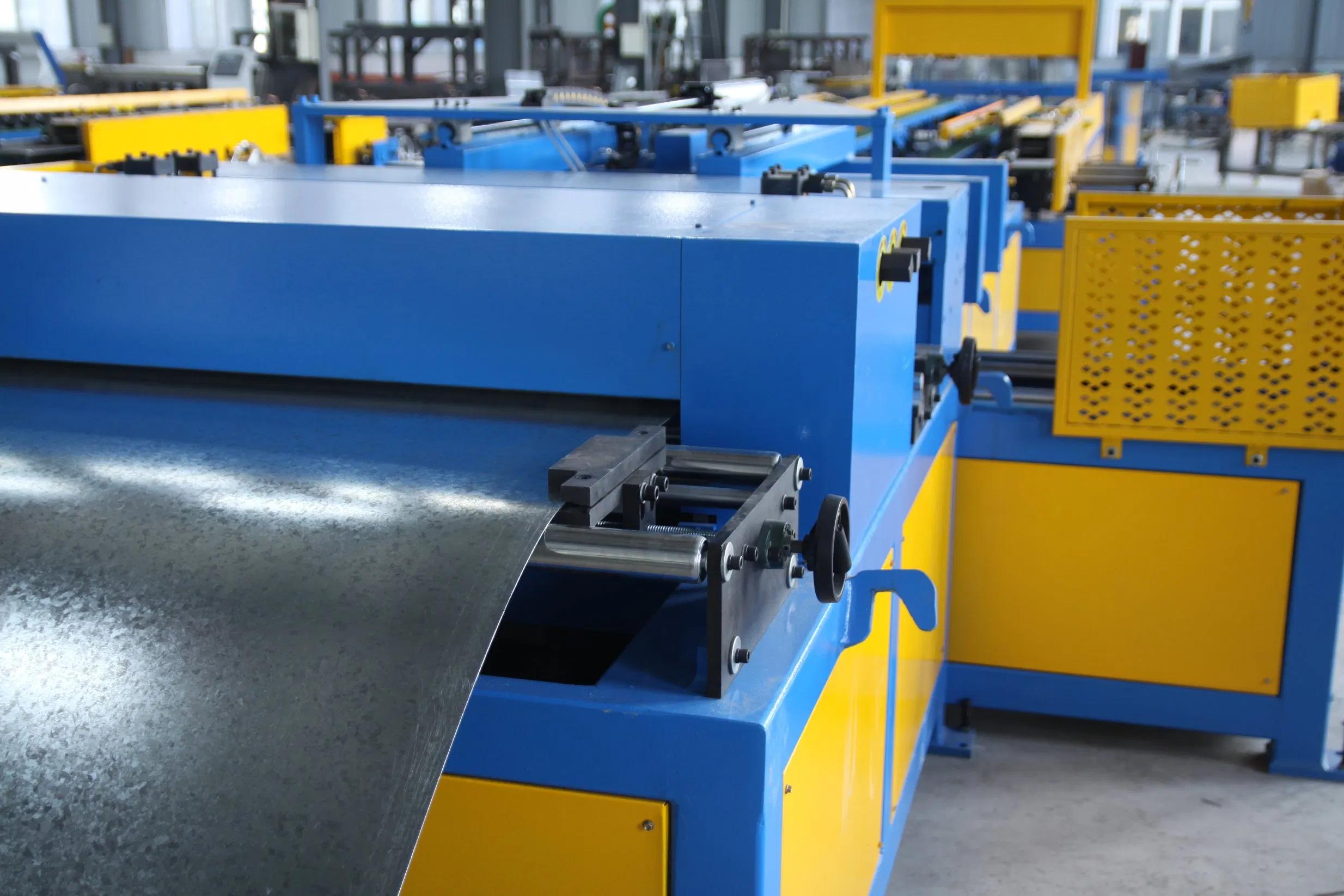
Shanghai Junjingsai Automation Machinery Co., Ltd. develops thermoforming machinery and related manufacturing solutions for industrial applications. Its experience in thermoforming equipment provides a basis for evaluating how mold requirements relate to heating, forming, cooling, and production-line operation.
For a tooling project, customers can provide product drawings, samples, plastic sheet details, target output, and information about their existing equipment. These details help establish the appropriate forming method and determine whether prototype tooling, production molds, or additional automation should be considered.
Project discussions can cover:
The final tooling specification should be confirmed against the actual component, machine configuration, and acceptance requirements. This helps align tooling decisions with the intended manufacturing process before production begins.
A thermoforming mold is a tool used to shape a heated plastic sheet into a specified geometry. The sheet is formed against or into the mold using vacuum, air pressure, mechanical assistance, or a combination of methods. After cooling, the formed component is removed and may undergo trimming or other finishing operations.
Common options include aluminum, composite materials, resin-based tooling, and selected 3D-printable materials. Aluminum is often considered for production tooling because it can be machined accurately and transfers heat efficiently. Other materials may suit prototypes or limited production runs, depending on their thermal and mechanical properties.
Vacuum forming molds use negative pressure to draw the heated sheet against the tool. Pressure forming applies additional compressed-air pressure to help reproduce finer details and surface textures. The appropriate method depends on the part geometry, appearance requirements, plastic material, production volume, and tooling budget.
Aluminum tools are often suitable for high volume production because they can be machined accurately and transfer heat efficiently. Their suitability also depends on mold construction, cooling, maintenance, part design, and operating conditions.
Yes. 3D printing can be used for certain prototype tools and short-run applications. The printed material and tool design must withstand the forming temperature and mechanical loads while providing suitable venting and surface quality. Suitability should be assessed against the intended plastic sheet and production conditions.
Mold depth, corner radii, draft angles, part geometry, and the sequence of contact between the plastic sheet and mold affect material stretching. Deep draws and sharp transitions may cause local thinning. Appropriate tooling design and process development can help improve material distribution.
The mold surface, plastic sheet finish, heating conditions, forming pressure, venting, and handling can all affect the final appearance. Defects on the mold surface may transfer to the formed component, so the required finish should be defined before tooling is manufactured.
Manufacturers can manage tooling costs by reviewing part geometry early, selecting a mold material that matches the expected production volume, avoiding unnecessary complexity, and validating prototypes before investing in production tooling. Total cost should also account for maintenance, scrap, cycle time, and future design changes.
Useful information includes product drawings or CAD files, a sample if available, plastic material and sheet thickness, part dimensions, surface finish requirements, expected production volume, forming method, and existing machine details. These inputs help the manufacturer assess the tooling requirements and prepare a more relevant proposal.
Lead times depend on mold size, material, design complexity, machining requirements, supplier workload, and whether prototype trials or revisions are needed. A reliable schedule can be established after the design and technical requirements have been reviewed.
When requesting a quotation for a thermoforming mold, provide as much technical information as possible. A 2D drawing or 3D model is useful, while a physical sample can help clarify geometry and surface requirements.
For an initial assessment, include the plastic material and sheet thickness, part dimensions, required surface finish, estimated production volume, forming method, and existing machine details where applicable. If the product is still under development, identify which specifications are fixed and which may change.
These details help the manufacturer evaluate the mold design, material selection, tooling complexity, testing requirements, and expected lead times.