Quote now
EN

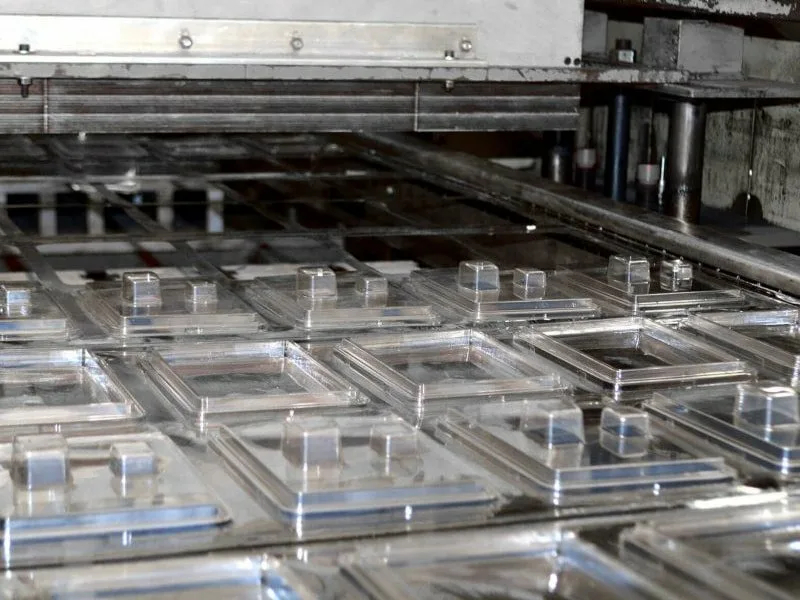
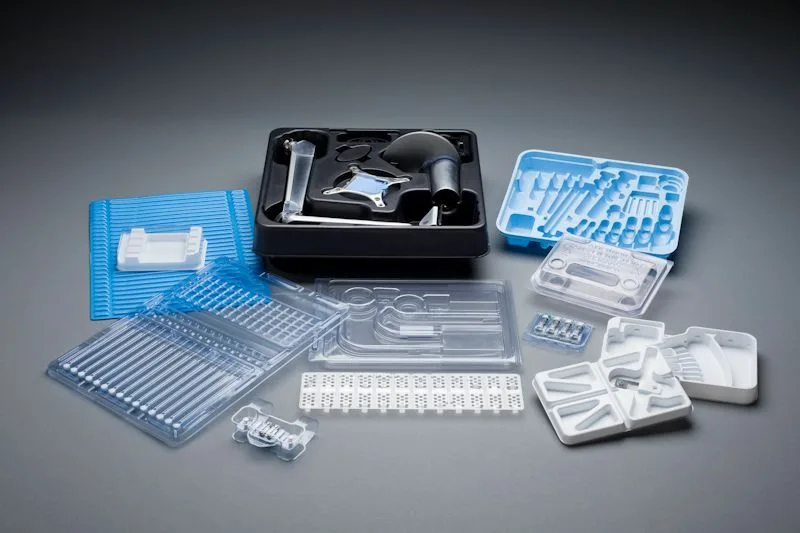
Thermoforming prototyping machines are used to form heated thermoplastic sheets into sample parts, prototype components, and pre-production products. The process involves heating a plastic sheet until it becomes pliable, shaping it over or against a mold using vacuum, pressure, or another suitable forming technique, and cooling it before trimming and inspection.
These machines support product development by allowing engineers to evaluate part geometry, material behavior, appearance, fit, and manufacturing feasibility before committing to larger production runs. Depending on the equipment configuration, they can also support small batches and repeatable production of plastic parts.
For manufacturers developing large covers, housings, panels, trays, and other sheet-based components, thermoforming can be a cost effective manufacturing method when compared with processes that require more expensive tooling. The right solution depends on part dimensions, required tolerances, surface finish, material, and expected production volume.
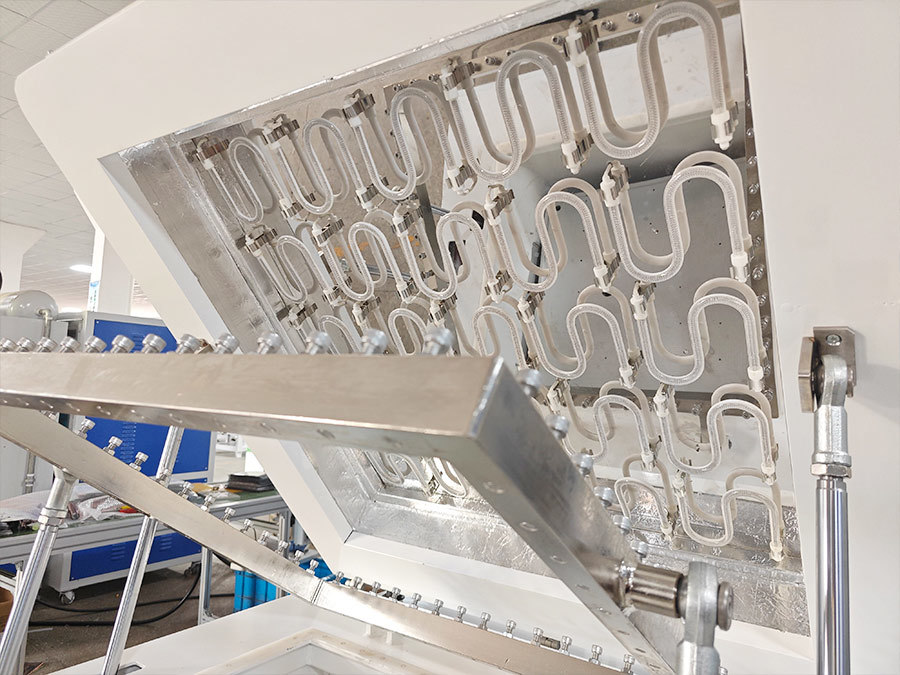
A thermoforming prototyping machine heats plastic sheet material and shapes it over a mold to create prototype parts for design evaluation and product development. It helps manufacturers assess geometry, fit, surface finish, material performance, and tooling feasibility before moving to production. Compared with some other manufacturing methods, thermoforming can reduce initial tooling costs and lead times for suitable sheet-based parts, especially when producing prototypes, small batches, and limited production runs.
During product development, manufacturers need to confirm that a design can be produced reliably before investing in production tooling. A prototype made using the intended material and a representative forming process can reveal issues that may not be apparent in a CAD model alone.
Thermoforming supports this evaluation by turning a digital design into a physical plastic part. Engineers can inspect the component, test assembly interfaces, review the surface appearance, and make design adjustments before proceeding to a larger manufacturing commitment.
A prototype helps engineers assess complex geometries, draw depth, corner radii, draft angles, wall thickness, and transitions between surfaces. These features influence how a heated sheet stretches during forming and whether the part can be removed from the mold without damage.
Testing a physical sample can also reveal areas where the design needs adjustment. Changes to mold geometry, sheet thickness, material grade, or forming parameters may improve the finished part and reduce later engineering changes.
Different thermoplastics respond differently to heat, stretching, cooling, and mechanical loading. A material that appears suitable in a design specification may behave differently when formed into a deep or irregular shape.
Prototype trials allow engineers to evaluate the actual sheet material under representative process conditions. Depending on the application, testing may cover impact resistance, stiffness, appearance, chemical exposure, temperature performance, and assembly compatibility.
A formed prototype can be checked against mating parts, fasteners, mounting points, and surrounding structures. This is particularly useful for equipment housings, machine covers, automotive interior components, and product enclosures.
The review may identify interference, dimensional variation, visible surface defects, or trimming issues before the design is released for production.
Early physical testing can help identify design problems before production tooling is finalized. This can reduce rework, avoid unnecessary tooling changes, and shorten the path from initial design to an approved component.
The actual savings depend on mold design, prototype quantity, material availability, machining requirements, and how many design iterations are needed. Thermoforming is not automatically the fastest option for every part, but it can be practical when the component is suited to sheet forming.
The manufacturing process for prototype parts follows several stages. The precise sequence depends on the machine, material, mold, and whether vacuum forming or pressure forming is used.
The process starts with a CAD model, engineering drawing, physical sample, or initial design concept. The part is reviewed for forming feasibility, including draw depth, wall-thickness distribution, draft angles, radii, and trimming requirements.
A mold is then developed to reproduce the required shape. For prototypes, the tooling may be made from suitable resin, composite, or metal, depending on temperature resistance, geometry, expected quantity, and dimensional requirements.
Rapid tooling can help shorten development lead times, but the mold material must withstand the selected forming conditions and provide sufficient dimensional stability.
The thermoplastic sheet is clamped and heated until it reaches a suitable forming temperature. Temperature control is needed to soften the material without causing degradation, excessive sagging, or inconsistent forming behavior.
Heating requirements depend on material grade, sheet thickness, sheet size, heater layout, and the geometry of the intended part. Consistent heating helps improve repeatability and reduce material defects.
The heated sheet is shaped against the mold using the forming method supported by the machine.
Vacuum forming removes air between the sheet and mold so that atmospheric pressure draws the material against the tool. Pressure forming adds compressed air to increase the force pushing the sheet into the mold. Other thermoforming configurations may use different forming arrangements depending on the application.
The appropriate forming method depends on the required surface detail, geometry, material, and equipment capability.
After forming, the part must cool enough to retain its shape during removal. Cooling conditions affect dimensional stability, warpage, and the appearance of the finished surface.
The prototype is removed from the mold and inspected for incomplete forming, wrinkles, excessive thinning, surface marks, and other visible issues. Process settings or mold features may be adjusted before another trial.
The formed component is separated from excess sheet material. Trimming may be performed manually, with dedicated fixtures, using a cutting tool, or through CNC machining, depending on the part and required accuracy.
Additional operations may include drilling, milling, edge finishing, polishing, bonding, or assembly. These steps help bring the prototype closer to the intended final product and allow engineers to assess the complete component rather than the formed shell alone.
The sample is checked against the design specification. Measurements may cover overall dimensions, mounting interfaces, wall thickness, hole locations, surface appearance, and fit with adjacent parts.
Where issues are identified, the design, mold, material, or forming parameters can be revised. The updated prototype is then produced and evaluated again until the agreed requirements are met.
Thermoforming is one of several options for producing prototype plastic parts. CNC machining, 3D printing, and injection molding each offer different capabilities. The most suitable process depends on the part's geometry, material, quantity, tolerances, and intended testing.
| Manufacturing method | Main advantages | Limitations | Suitable applications |
|---|---|---|---|
| Thermoforming | Can produce large, thin-wall plastic parts with relatively accessible tooling for suitable designs | Requires sheet-formable geometry and usually needs trimming after forming | Covers, panels, housings, trays, and large shells |
| CNC machining | Can produce accurate features directly from solid stock and supports a range of engineering plastics | Material waste and machining time may increase for large or complex parts | Precision features, fixtures, functional prototypes, and interfaces |
| 3D printing | Allows rapid design changes and complex shapes without conventional forming molds | Material properties, surface finish, size, and build time depend on the printing technology | Early concepts, intricate geometry, and design verification |
| Injection molding | Supports repeatable production of complex parts with integrated features | Production tooling can require substantial initial investment and preparation time | High-volume parts, integrated features, and established product designs |
These processes can also be combined. For example, a thermoformed shell may be CNC machined to create accurate mounting holes and assembly edges. A 3D-printed model may be used to assess shape before a thermoforming mold is manufactured.
CNC machining removes material from a solid block or sheet to create the required geometry. Thermoforming shapes an existing thermoplastic sheet and then trims it to the final outline.
CNC machining may be preferable when a prototype requires precise holes, slots, mounting features, or dimensions that are difficult to achieve directly through forming. Thermoforming may be more suitable for large, thin-wall components where machining the entire part from solid stock would consume more material and machine time.
For applications requiring both a formed shell and accurate interfaces, the two processes can be used together.
3D printing is useful during early product development because it can produce complex geometries without a conventional mold. It is often a convenient option for concept models and components with intricate internal features.
Thermoforming can be a better fit when the intended final product is made from plastic sheet and its surface, wall structure, and material behavior need to be assessed using a representative process. The choice should reflect the type of testing required rather than prototype speed alone.
Injection molding forces molten resin into a closed mold, while thermoforming shapes heated sheet material. Injection molding can produce integrated ribs, bosses, clips, and complex internal features that may be difficult or impractical to achieve through thermoforming.
For large, thin-wall components or designs expected to change during development, thermoforming may offer lower initial tooling costs. Injection molding may become more suitable when the design is stable and high volume production justifies the mold investment.
Thermoforming can produce accurate components, but the achievable tolerances depend on material behavior, part geometry, tooling quality, machine control, and post-forming operations. Tight tolerances should be defined according to the actual functional requirements rather than assumed for every feature.
Identify the dimensions that determine assembly, sealing, mounting, alignment, or movement. These features may need more precise control than cosmetic surfaces or non-functional edges.
A drawing should distinguish dimensions that require close inspection from those that allow normal process variation.
During forming, the sheet stretches over the mold. Material distribution varies with draw depth, local geometry, temperature, and the forming sequence. This can result in thinner walls or dimensional variation in some areas.
Part design should account for stretching, and prototype measurements should confirm that the formed material meets the intended requirements.
When formed geometry alone cannot achieve the required dimensions, CNC machining can finish selected edges, holes, slots, and mounting features. Suitable fixtures and reference points help locate the part consistently during machining.
This combined approach can be useful for industrial enclosures, equipment housings, and other components that require a formed exterior with accurately located interfaces.
A single acceptable sample does not establish that a process will consistently produce high quality parts. Repeatability should be evaluated using representative material, tooling, machine settings, and inspection methods.
For projects that require dimensional records, the inspection plan should specify measurement equipment, reference datums, sampling frequency, and acceptance criteria.
Surface finish affects both the appearance and the perceived quality of a plastic component. Thermoforming can reproduce the surface characteristics of a mold, but the final result also depends on the plastic sheet, forming conditions, mold surface, and part handling.
A smooth mold can produce a smooth formed surface when the material and process are suitable. Textured tooling can reproduce selected patterns, while decorative requirements may call for additional finishing or surface treatment.
The expected result should be established through sample trials, especially when the prototype will be used for customer approval or visual comparison with an existing product.
Incorrect heating may cause surface marks, uneven stretching, wrinkles, or other defects. Poor mold contact may leave some details incompletely formed.
The machine settings should be adjusted for the specific sheet material and geometry. Changes to heating time, forming pressure or vacuum, and cooling can affect both appearance and dimensions.
The formed component is not always the final product when it leaves the mold. Trimming, drilling, CNC machining, and edge finishing may be needed to achieve the required appearance and fit.
These operations should be included when evaluating prototype cost and lead times, because finishing can account for a significant part of the work on complex components.
Material selection should reflect the intended product's mechanical, thermal, chemical, visual, and regulatory requirements. The sheet grade used for prototype evaluation should be as close as practical to the material planned for production.
| Material | General characteristics | Potential prototype applications |
|---|---|---|
| ABS | Impact resistance and a broad range of surface finishes | Housings, covers, and equipment panels |
| Polycarbonate (PC) | High impact resistance in suitable grades | Protective covers and technical components |
| PETG | Good formability and options for transparent parts | Displays, covers, and selected packaging components |
| HIPS | Commonly used for economical sheet-forming applications | Liners, trays, and general-purpose housings |
| Acrylic (PMMA) | Optical clarity and decorative surface options | Transparent covers and display components |
| PVC | Available in grades with different chemical and mechanical properties | Selected industrial and protective components |
| Polypropylene (PP) | Low density and chemical resistance, depending on grade | Industrial components and selected packaging designs |
Not every grade is suitable for every machine, mold, or application. The required forming temperature, sheet thickness, surface finish, operating environment, and applicable standards should be reviewed before material approval.
Thermoforming can support several stages of a product's manufacturing lifecycle, from initial prototype parts to small batches and repeat production. The tooling and machine configuration should match the intended quantity and the level of validation required.
During early product development, the design may change frequently. A suitable prototype mold can provide physical samples for evaluating overall shape, fit, appearance, and forming feasibility before a more durable tool is selected.
If the design includes intricate internal structures or features that cannot be produced by sheet forming, another manufacturing method may be more appropriate for the initial model.
Once the basic design has been validated, small batches can help confirm material performance, assembly, handling, and production procedures. These parts can also be used for field trials, customer evaluations, packaging tests, and pilot builds.
The economics depend on tooling costs, setup time, the number of parts required, and the amount of post-forming work. For small quantities, reducing the initial tooling investment may matter more than achieving the shortest possible cycle time.
When demand increases, the production process should be reviewed for cycle time, tool life, material utilization, handling, trimming, and inspection. The machine used for prototypes may be suitable for continued production in some cases, while other projects may require a different configuration or a dedicated production system.
A controlled transition helps preserve product specifications while adjusting the process to the required output.
Lead times depend on more than the forming cycle. Design review, mold manufacture, material sourcing, machine availability, prototype inspection, and design revisions all contribute to the total project schedule.
Thermoforming may shorten development lead times when the part is suitable for sheet forming and a relatively simple mold can be prepared quickly. Rapid tooling can support early trials, while changes to the mold or process may be less expensive than revising complex production tooling.
To keep development moving, provide complete drawings or CAD files, material specifications, target quantities, required tolerances, and surface-finish expectations at the start of the project. Early agreement on inspection criteria also helps reduce avoidable rework.
No manufacturing method can guarantee a particular lead time without reviewing the project details. A realistic schedule should include mold preparation, sample production, inspection, and the time required for any corrective iterations.
Prototype machine covers, electrical enclosures, protective panels, and equipment housings can be evaluated for fit, access, appearance, and assembly. CNC machining can be added when holes or mounting features require closer dimensional control.
Thermoforming can be considered for large interior panels, trim components, protective covers, and other sheet-based parts. Prototype trials help evaluate contours, visible surfaces, fit with adjacent components, and material behavior.
The required material and validation tests depend on the application and the relevant performance standards.
Prototype housings, equipment covers, trays, and protective components may be developed using thermoforming when the design suits sheet-based manufacturing. The prototype can help assess enclosure geometry, access to controls, assembly, and cleaning-related design considerations.
Medical devices may require additional controls for biocompatibility, sterilization compatibility, traceability, or regulatory compliance. A thermoformed prototype alone does not establish that the finished device meets these requirements.
Thermoforming can support the development of product shells, display housings, appliance panels, recreational product components, and other custom plastic parts. It allows designers to review the physical shape and surface appearance before the design is finalized.
Packaging prototypes can be used to evaluate product fit, retention, stacking, handling, and protection during transport. Material selection and design testing should reflect the actual product and distribution environment.
Selecting the right equipment starts with the part requirements rather than the machine's headline specifications.
Confirm the maximum sheet dimensions, finished part size, draw depth, and mold footprint. The machine needs sufficient space for the sheet, clamping frame, mold, and any required handling arrangements.
Determine whether vacuum forming, pressure forming, or another compatible process is suitable for the design. Surface detail, material, geometry, and required repeatability will influence the decision.
Identify the intended plastic sheet material and thickness. The heating system must be able to bring the material to a suitable forming condition without excessive sagging or uneven softening.
Estimate how often the design may change and how many prototype iterations are expected. Tooling should be selected to balance initial cost, durability, accuracy, and the anticipated number of samples.
Determine whether parts will need CNC machining, drilling, edge finishing, bonding, or assembly after forming. These steps may affect the final accuracy, total cost, and project schedule.
If the project may progress from prototypes to regular production runs, evaluate whether the equipment can accommodate the expected output, mold changes, process control, and handling needs. The goal is to choose a configuration that fits the current development stage without overlooking likely future requirements.
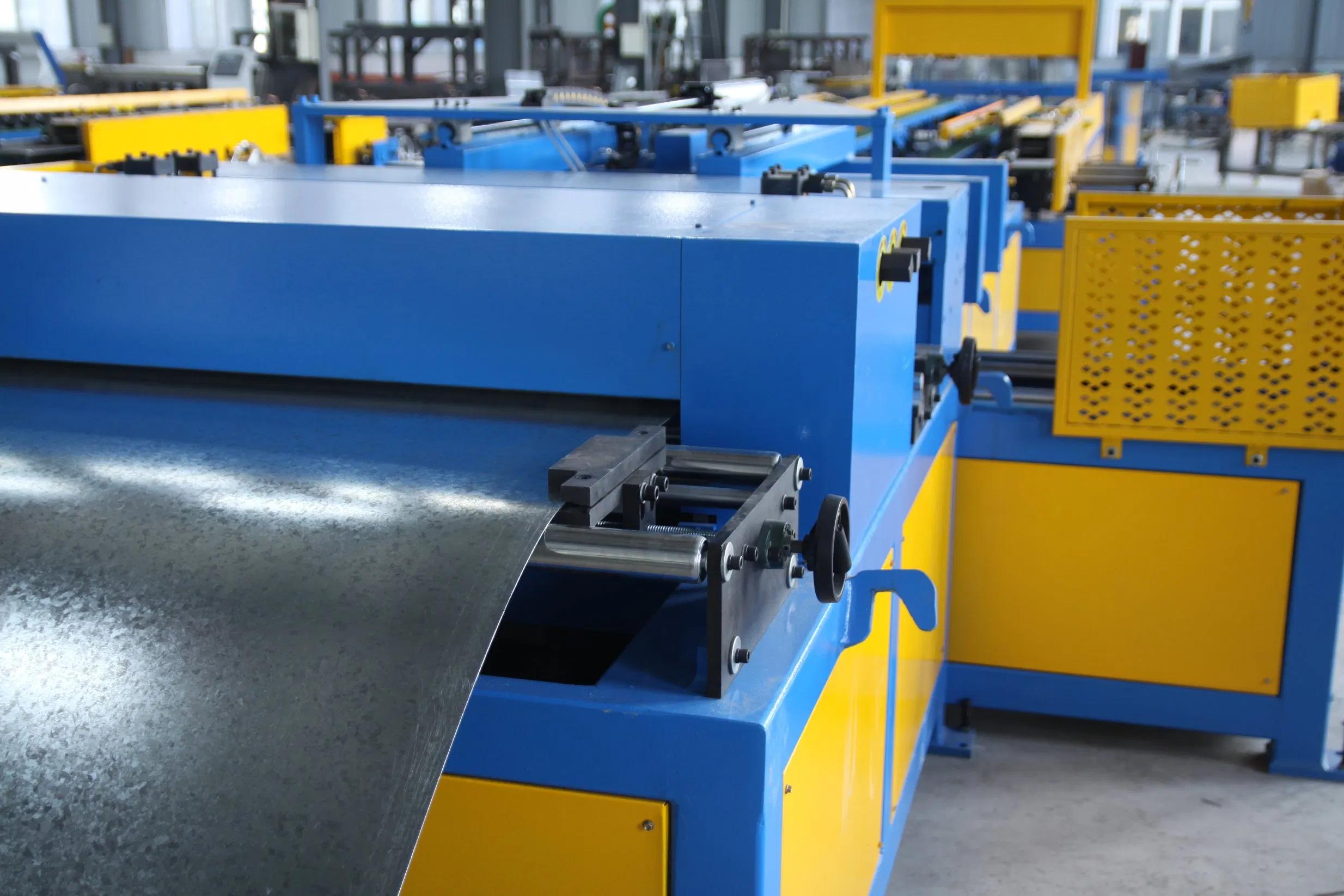
Shanghai Junjingsai Automation Machinery Co., Ltd. develops and manufactures thermoforming equipment and customized plastic forming automation. For projects involving prototype development, equipment selection should be based on the part geometry, material, forming method, required quality, and expected production quantity.
When discussing a thermoforming prototyping project, useful information includes:
This information supports a more useful technical review of the forming process, mold approach, machine configuration, and production feasibility. Any specific machine capability, tolerance, output, or delivery schedule should be confirmed against the actual project requirements.
A thermoforming prototyping machine heats thermoplastic sheet and shapes it over a mold to produce sample parts. It is used to evaluate geometry, fit, material behavior, surface appearance, and manufacturing feasibility before larger production commitments are made.
Thermoforming can support rapid prototyping when the part geometry suits sheet forming and suitable tooling can be prepared quickly. The overall schedule depends on mold design, material availability, machine setup, inspection, and the number of design iterations required.
Thermoforming can produce accurate parts, but achievable tolerances depend on material stretching, part geometry, tooling, process control, cooling, and trimming. Where tighter dimensions are needed for holes, edges, or mounting interfaces, CNC machining may be used after forming.
It can be cost effective for suitable parts because thermoforming tooling may require a lower initial investment than injection molding tooling. The final economics depend on mold cost, material use, setup, trimming, inspection, and the number of parts required.
Thermoforming shapes heated plastic sheet over a mold, while CNC machining removes material from stock using controlled cutting tools. Thermoforming is often suitable for large, thin-wall parts; CNC machining is useful for precise features, solid geometries, and finishing operations.
Thermoforming can produce many curved, recessed, and contoured shapes, but geometry is limited by sheet stretching, draw depth, material distribution, and mold-release requirements. Features such as complex internal structures and some undercuts may require another manufacturing method or a combined process.
Common options include ABS, polycarbonate, PETG, HIPS, acrylic, PVC, and polypropylene in suitable sheet grades. Material selection depends on forming conditions, strength, impact performance, appearance, operating temperature, and application-specific requirements.
Some equipment can support both prototype work and production, depending on its capacity, automation, tooling, and required output. High volume production may require a dedicated machine configuration, more durable tooling, automated handling, and validated process controls.
Thermoforming can help shorten development by providing physical parts for design and process evaluation before expensive production tooling is finalized. Early trials can reveal geometry, material, and finishing issues, reducing the likelihood of costly late-stage revisions.
Provide part drawings or CAD files, sheet material and thickness, part dimensions, required tolerances, surface-finish expectations, target prototype quantity, and estimated future demand. These details help determine the suitable forming method, tooling approach, machine configuration, and downstream operations.
Planning a new plastic product or validating a formed component before production? Share your drawings, material requirements, dimensions, tolerances, and target quantities with Junjingsai.
The project can then be reviewed for forming feasibility, tooling options, machine configuration, and the finishing operations needed to achieve the intended final product. A clear technical assessment helps align prototype quality, lead times, and total development costs with your manufacturing goals.